Resources & Learning Center
Expert guidance. Better results.
Use our sign and apparel resources to compare materials, understand decoration methods, prepare artwork, plan installations, and care for finished products with confidence.
Sign Material Selection
Choose a material that fits the environment—not just the budget.
Sign materials differ in rigidity, finish, weather resistance, weight, fabrication options, and expected lifespan. Selecting the right substrate helps prevent premature fading, warping, edge damage, and installation problems.
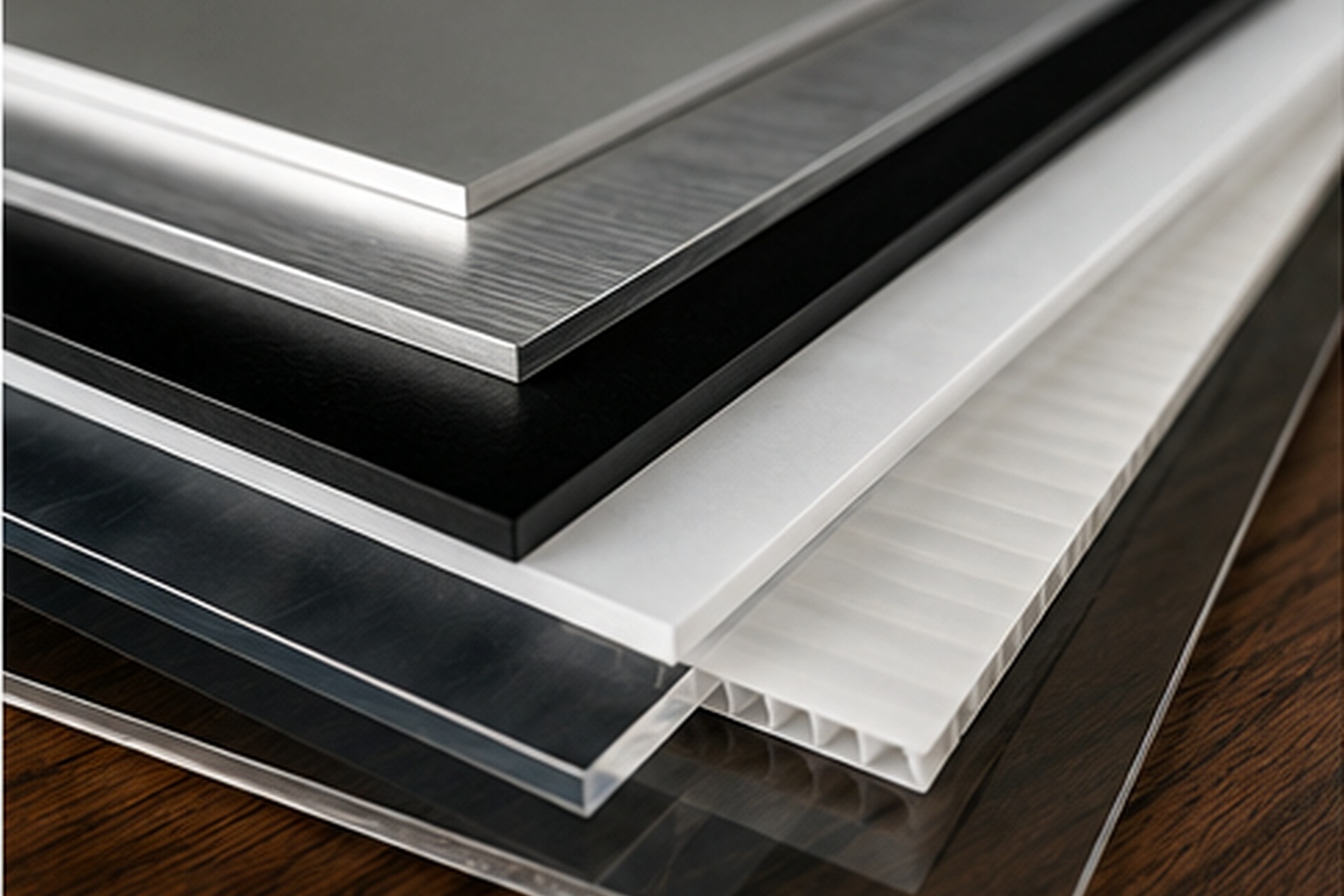
Common sign materials and where they work best
There is no single “best” sign material. The correct choice depends on where the sign will be used, how long it needs to last, how it will be mounted, and the appearance your brand requires.
Rigid, lightweight, weather-resistant, and suitable for many permanent business signs.
Clean edges, polished surfaces, and a refined appearance for lobby and dimensional signs.
Versatile and easy to fabricate for displays, wall signs, and protected installations.
Lightweight and economical for yard signs, events, directional signs, and campaigns.
Smooth and lightweight for indoor posters, presentations, exhibits, and short-term displays.
Flexible, portable, and available in configurations for indoor or outdoor use.
Match the decoration process to the garment, artwork, and order.
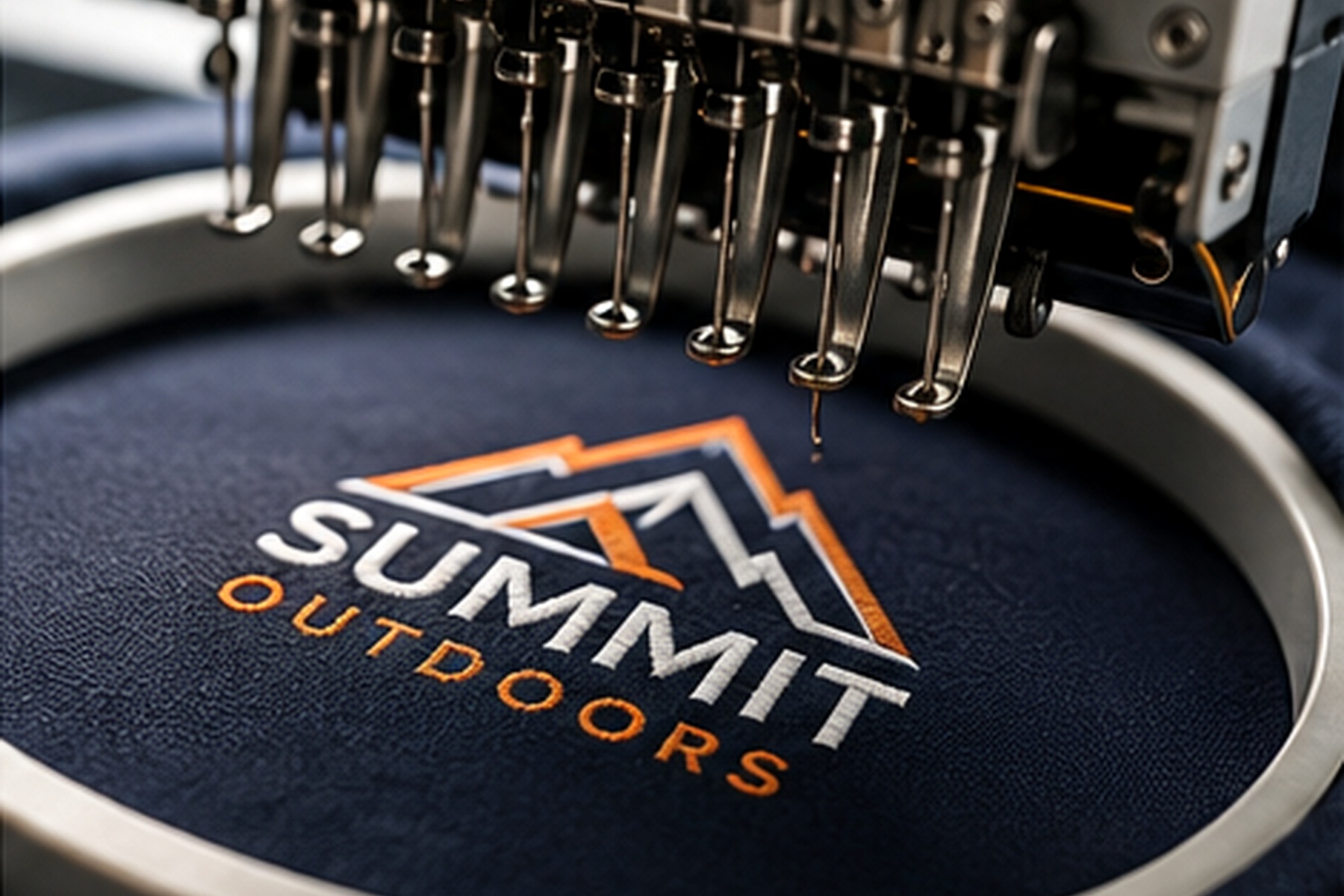
Embroidery, screen printing, direct-to-film printing, direct-to-garment printing, and heat-applied graphics each create a different appearance and perform differently on various fabrics.
- Embroidery: professional texture for polos, jackets, uniforms, bags, and caps.
- Screen Printing: durable, economical decoration for larger apparel runs.
- DTF Printing: detailed, full-color graphics with flexible order quantities.
- DTG Printing: soft-hand full-color prints on compatible cotton garments.
- Heat Transfer: useful for names, numbers, personalization, and specialty finishes.
- Laser Engraving: subtle tonal decoration on compatible leatherette and specialty goods.
| Method | Best For | Artwork Strength | Order Flexibility | Typical Feel |
|---|---|---|---|---|
| Embroidery | Polos, jackets, uniforms, caps | Simple to moderately detailed marks | Good for small and large runs | Raised and dimensional |
| Screen Printing | T-shirts, hoodies, event apparel | Bold spot-color or simulated-process art | Best value at larger quantities | Varies by ink and coverage |
| DTF Printing | Detailed art and mixed garment orders | Full color, gradients, fine detail | Excellent for short runs | Smooth applied transfer |
| DTG Printing | Premium cotton tees and complex artwork | Photographic and full-color art | Excellent for very small runs | Soft on compatible garments |
| Heat Transfer | Names, numbers, uniforms, personalization | Solid graphics and specialty films | Excellent for one-offs | Applied film or transfer |
Installation Resources
Preparation determines how professional the finished installation looks.
Clean surfaces, correct temperatures, accurate measurements, compatible fasteners, and patient application techniques all contribute to better adhesion, safer mounting, and longer service life.
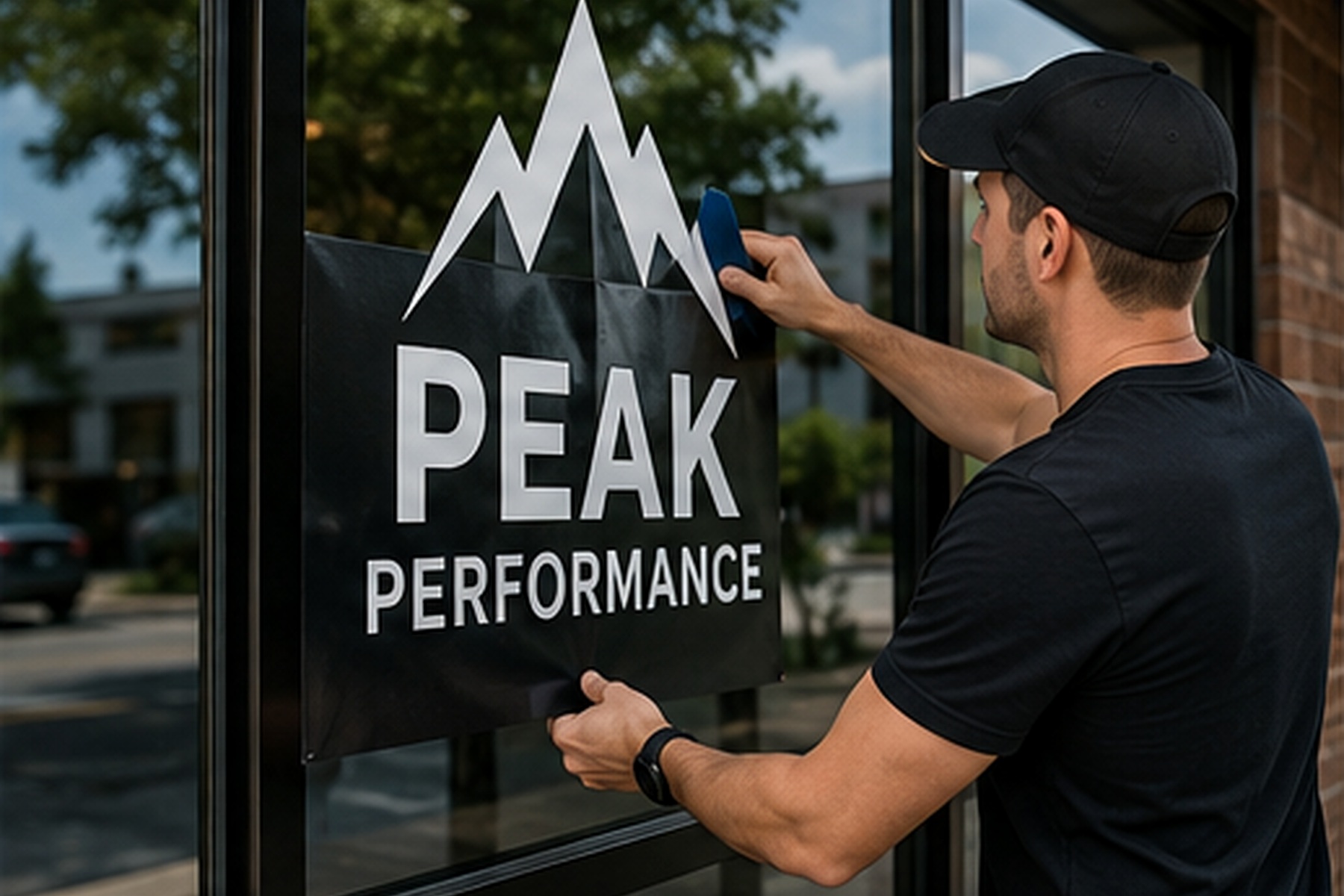
Vinyl Graphics Installation
Small decals and simple graphics can often be installed successfully with careful preparation.
- Confirm the surface is smooth and compatible
- Remove wax, oil, silicone, and residue
- Apply within the recommended temperature range
- Use overlapping squeegee strokes
- Work bubbles toward the nearest edge
Mounted Sign Installation
Wall signs and standoff-mounted panels require the correct anchors and accurate hole placement.
- Identify wall construction before drilling
- Use mounting hardware rated for the load
- Check for wiring and plumbing
- Level the template before marking holes
- Avoid overtightening acrylic panels
Window Graphics Installation
Glass must be thoroughly cleaned and free from edge contamination before graphics are applied.
- Remove adhesive, paint, and stubborn deposits
- Do not use cleaners that leave a film
- Measure from fixed architectural references
- Follow wet or dry application instructions
- Protect freshly applied edges during cleaning
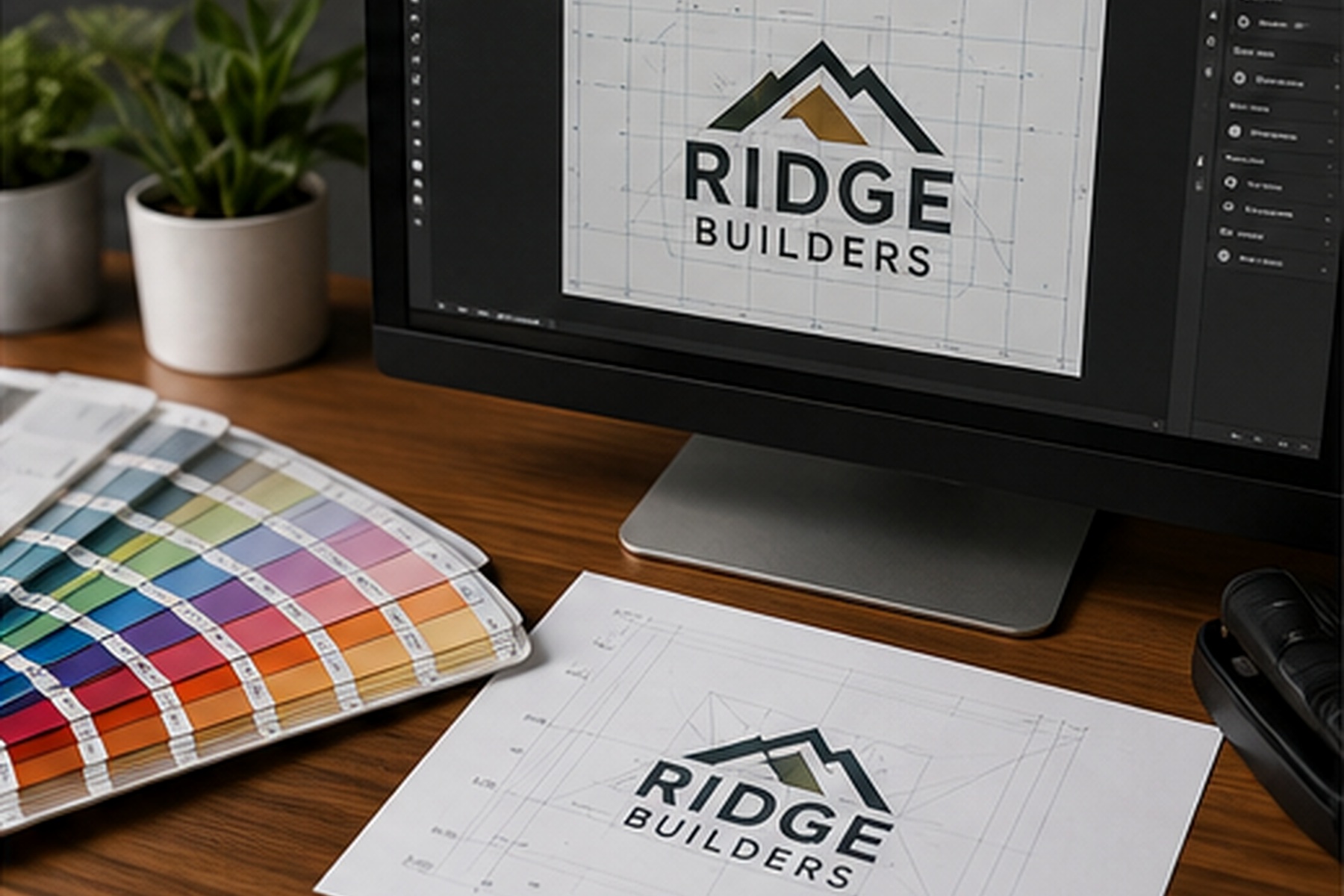
Better files create cleaner production and more predictable color.
Vector artwork is preferred for logos, lettering, cut vinyl, embroidery digitizing, and large-format graphics because it can be resized without becoming blurry or pixelated.
AI, EPS, SVG, and properly prepared vector PDF files.
High-resolution TIFF, PNG, PSD, or JPG at the intended production size.
CMYK values and Pantone references when brand-color matching is important.
Convert fonts to outlines and expand critical strokes or appearance effects.
Protect your investment with simple, product-appropriate care.
Cleaning products and techniques that are safe for one surface may damage another. Avoid harsh solvents, abrasive pads, excessive pressure, and concentrated heat unless the product instructions specifically permit them.
Exterior Signs
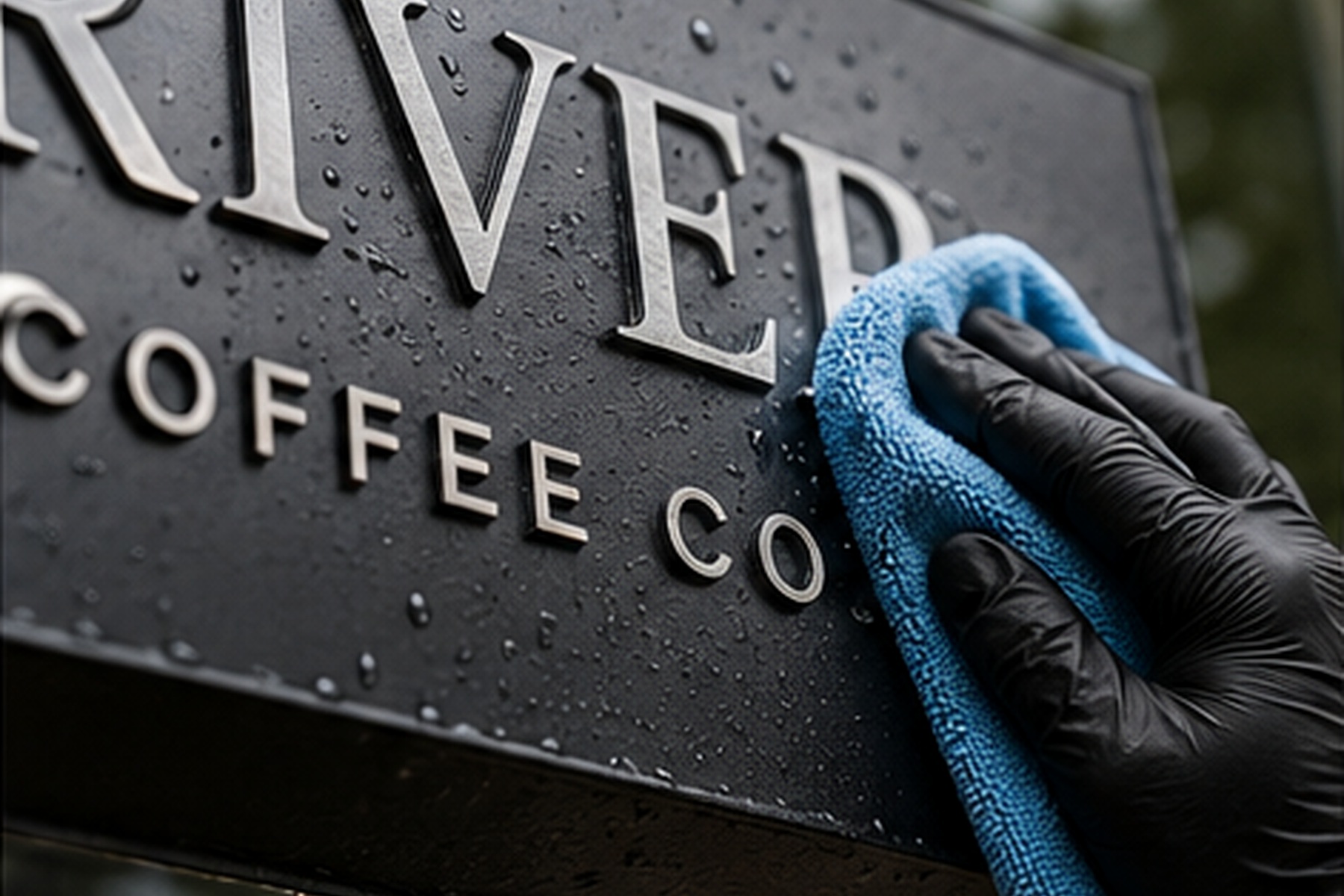
Use mild soap, clean water, and a soft cloth. Inspect fasteners and supports periodically.
Window Graphics
Use non-abrasive cleaners and wipe away from exposed vinyl edges whenever possible.
Vehicle Graphics
Hand washing is preferred. Avoid concentrated pressure at seams, corners, and edges.
Decorated Apparel
Wash inside out in cool water and avoid excessive dryer heat unless the care label says otherwise.
Frequently Asked Questions
Common questions about signs, graphics, and custom apparel.
Every project has different requirements, but these answers cover several of the questions customers ask while planning a purchase.
What sign material lasts the longest outdoors?
Properly fabricated aluminum and aluminum-composite signs are common long-term exterior choices. Actual lifespan depends on the finish, printed graphics, exposure, mounting method, maintenance, and local conditions.
Is embroidery better than screen printing?
Embroidery is often preferred for polos, uniforms, hats, and premium garments, while screen printing is frequently the best value for larger shirt orders and bold graphic designs. The garment and artwork determine the better option.
Can I install vinyl graphics myself?
Small, simple graphics can be suitable for self-installation. Large graphics, complex alignment, perforated window film, and multi-panel applications are more likely to benefit from professional installation.
What artwork format should I provide?
Vector files such as AI, EPS, SVG, or vector PDF are preferred. High-resolution raster files may also work for printed graphics. Send the best original artwork available rather than artwork copied from a website or screenshot.
How do I choose between acrylic and aluminum signs?
Acrylic is often selected for a polished interior appearance, while aluminum and aluminum-composite materials are common for durable exterior signage. Mounting, finish, exposure, and design requirements should guide the decision.
Do you offer sign and graphic installation?
Installation is available for many products and project types. Availability depends on the product, site conditions, location, access requirements, and installation scope.
How should I wash embroidered or printed apparel?
Follow the garment label, wash decorated garments inside out, use cool or moderate water temperatures, and avoid excessive dryer heat. Do not iron directly over printed decorations.
Quick-reference resources
Use this page as your project-planning checklist.
Review material choices, decoration methods, artwork requirements, installation conditions, and maintenance expectations before approving production. Our team can also walk you through each decision.

Project guidance
Still have questions?
Tell us what you are producing, where it will be used, how many you need, and what matters most to your project. We will help you narrow the options and select a practical solution.